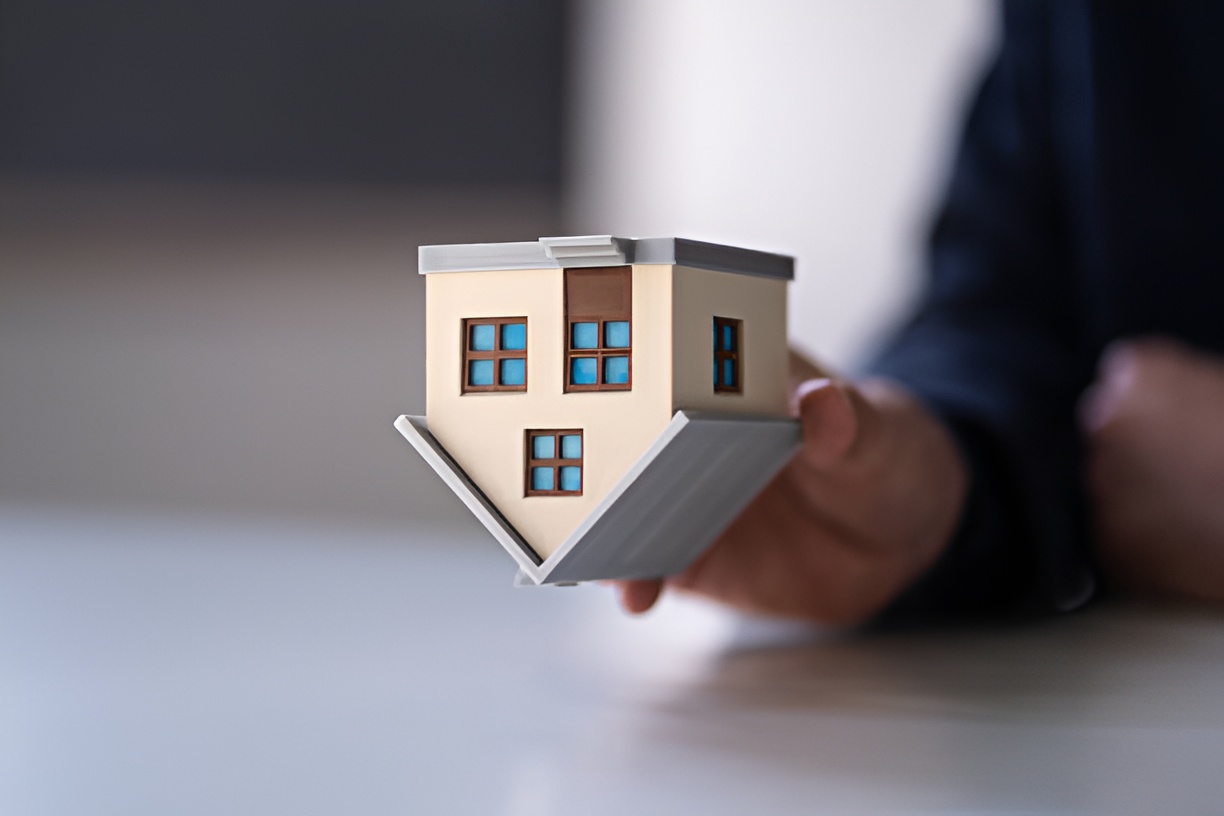
Key Takeaways:
- Flipping houses can yield high short-term profits with the right strategy.
- Learn valuable skills in construction, design, and real estate.
- Budget carefully: include purchase, renovation, holding, and selling costs.
- Choose properties with good location, condition, and resale potential.
- Focus on high-ROI renovations like kitchens, bathrooms, and curb appeal.
- Decide wisely between DIY and hiring contractors for efficiency.
- Build a strong network and scale projects gradually for long-term success.
Flipping houses can be a lucrative way to invest in real estate, but for beginners, it can feel overwhelming. From finding the right property to managing renovations and selling for a profit, there’s a lot to consider. This guide breaks down the process step by step, giving you practical advice to start your house flipping journey with confidence.
What Exactly Is House Flipping?
House flipping is the process of buying a property, renovating it, and then selling it for a profit. Unlike rental investments, the focus is on short-term gains. Success in flipping requires a combination of market knowledge, renovation skills, and financial planning.
Key elements of a successful flip include:
- Purchasing the property below market value
- Renovating efficiently and cost-effectively
- Marketing the property to attract buyers quickly
- Timing the sale to maximize profit
Why Should You Consider Flipping Houses?

Flipping houses appeals to people for several reasons, and understanding these benefits can help you stay motivated through the challenges of your first project.
Potential for High Profits:
When done correctly, a single flip can yield a substantial return. Unlike long-term rentals, flipping focuses on short-term gains, allowing you to potentially turn a profit in a matter of months rather than years. With careful property selection, smart renovations, and timing, even a modest investment can grow significantly.
Skill Development:
Flipping houses is more than just a financial venture—it’s also a chance to learn practical skills. From understanding construction basics and design principles to negotiating with contractors and understanding real estate markets, each flip teaches you something new. These skills are transferable and can benefit future projects or even other career opportunities.
Flexibility:
Unlike some investments that require rigid schedules, house flipping allows you to pick projects that match your budget, availability, and market knowledge. You can choose smaller cosmetic flips if you’re starting out, or larger structural renovations if you want more experience and higher potential returns.
Portfolio Growth:
Successfully completing flips provides the capital to fund future investments. Many beginner flippers use the profits from their first few projects to gradually scale up, taking on higher-value properties or multiple flips at once. Over time, flipping can become a sustainable business or a significant side income.
However, it’s important to remember that flipping is not risk-free. Mistakes in budgeting, renovation planning, or timing the sale can turn a potentially profitable project into a financial setback. That’s why thorough research, careful planning, and learning from others are essential before taking the plunge.
How Much Money Do You Need to Start Flipping Houses?
One of the most common questions beginners ask is about the initial investment. The truth is, the required capital varies depending on your market, the type of property, and your renovation plans.
Typical Costs Include:
- Purchase Price: The price you pay to acquire the property. Your goal is to find homes priced below market value to allow room for profit.
- Renovation Costs: These can range from minor cosmetic updates like painting and flooring to major repairs such as roof replacement, electrical work, or plumbing upgrades. Accurate estimates are crucial to avoid overspending.
- Holding Costs: These are the ongoing expenses while you own the property, including utilities, property taxes, insurance, and loan interest. Holding a property longer than planned can quickly eat into your profits.
- Selling Costs: Agent commissions, staging, closing fees, and marketing expenses all reduce your net profit.
Many beginners start with $50,000 to $100,000 in combined funds for a small to medium flip, but this depends heavily on your location and the scope of renovations. Always factor in a contingency fund of 10–15% for unexpected expenses to avoid financial surprises.
How Do You Find the Right Property?
Finding the right property is a critical step in a successful flip. Not every house is worth flipping, so you need to identify homes with high resale potential that you can realistically renovate.
Tips for Finding Properties:
- Online listings and foreclosure auctions: Websites and local auctions can reveal properties priced below market value.
- Local real estate agents: Work with agents experienced in flips—they often know about properties before they hit the market.
- Networking: Connect with wholesalers, other investors, and local real estate groups to discover hidden opportunities.
- Neighborhood scouting: Drive around target areas to spot distressed homes or properties that stand out as potential flips.
What to Consider When Evaluating a Property:
- Location: A desirable neighborhood with good schools, low crime, and high demand is crucial. Even the best renovations won’t sell quickly in a poor location.
- Price vs. Value: Always compare the purchase price with the property’s potential after-repair value (ARV). This ensures you can make a profit after renovations.
- Condition: Identify essential repairs versus cosmetic upgrades. Structural issues can be costly, so focus on properties that fit your skill level and budget.
What Renovations Offer the Best Return?
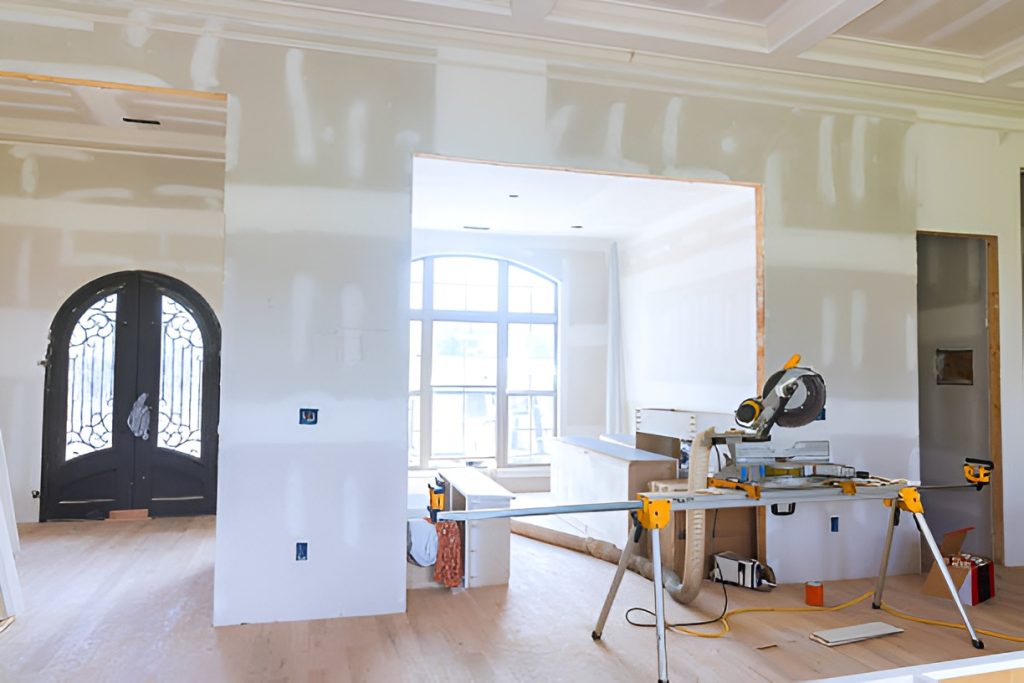
Not all renovations will increase your profits equally. Focus on improvements that buyers value most and that won’t eat up your budget.
High-ROI Renovations Include:
- Kitchen upgrades: Installing new countertops, cabinets, and modern appliances can transform the space and attract buyers.
- Bathroom remodels: Updated fixtures, vanities, and flooring give bathrooms a fresh, modern appeal.
- Flooring: Replacing worn carpet, refinishing hardwood, or installing durable laminate can greatly improve the home’s aesthetic.
- Painting: Neutral wall colors appeal to a broader audience and make rooms feel larger and cleaner.
- Landscaping and curb appeal: First impressions matter. A tidy yard, trimmed shrubs, and fresh mulch can increase perceived value.
Renovation Tips: Avoid over-personalized designs or expensive luxury upgrades. The goal is to appeal to the average buyer in your target market, not to create a dream home for yourself.
How Do You Budget Your Flip?
Budgeting is one of the most important aspects of flipping houses. A common guideline is the
70% rule:
Never pay more than 70% of a property’s after-repair value (ARV) minus renovation costs.
Example:
- ARV: $300,000
- Renovation costs: $50,000
- Max purchase price: $300,000 x 70% = $210,000
- $210,000 – $50,000 = $160,000 maximum purchase price
Other Budgeting Tips:
- Include a contingency fund of 10–15% for unexpected repairs.
- Track all expenses in a spreadsheet or app to monitor your budget in real time.
- Get multiple contractor quotes to avoid surprises and ensure fair pricing.
- Avoid cutting corners—saving on small items now can lead to bigger costs later.
Should You Hire Contractors or DIY?
Deciding whether to DIY or hire professionals depends on your skill level, timeline, and budget.
DIY Pros:
- Lower labor costs, which can increase profit margins.
- Full control over quality and schedule.
DIY Cons:
- Time-consuming, especially if you’re learning as you go.
- Mistakes can be costly and delay the project.
- Limited by your personal skills and tools.
Hiring Contractors Pros:
- Faster completion due to experience and manpower.
- Professional-quality results that appeal to buyers.
- Less personal stress in managing repairs.
Hiring Contractors Cons:
- Higher upfront costs, which reduce short-term profit.
- Requires careful management of contracts, timelines, and quality.
Many beginners choose a hybrid approach: handle simple cosmetic updates themselves while hiring pros for specialized work like electrical, plumbing, or structural renovations.
How Do You Price and Sell Your Flip?
Correct pricing is critical to a successful sale. Price too high, and the property may linger on the market; price too low, and you leave money on the table.
Pricing Tips:
- Analyze recent sales of comparable homes in the area.
- Factor in market trends and buyer demand.
- Avoid overpricing—holding costs can reduce your net profit.
Selling Strategies:
- Stage the home to highlight its best features.
- Use professional photos for online listings.
- Market through MLS, social media, and local networks to attract more buyers.
What Are the Common Mistakes Beginners Make?
Flipping houses involves a learning curve, and new investors often encounter common pitfalls:
- Underestimating renovation costs, leading to budget overruns.
- Over-improving for the neighborhood, spending more than the market will bear.
- Ignoring market trends and timing, resulting in slower sales or reduced profits.
- Skipping inspections, which can hide costly issues.
- Poor budgeting and lack of contingency planning, leaving no cushion for unexpected events.
Learning from others’ mistakes can save time, money, and frustration.
How Can You Build a Network for Flipping Houses?
Your network is one of your most valuable assets in house flipping.
Key Contacts Include:
- Real estate agents who specialize in flips.
- Contractors, electricians, plumbers, and painters you can trust.
- Wholesalers and other investors for deal opportunities.
- Mortgage lenders familiar with investment properties.
- Home inspectors and appraisers for accurate property evaluations.
Networking allows you to find deals faster, negotiate better, and access professionals who can help streamline your projects.
Can You Start Flipping Houses With Little Experience?
Yes, but preparation is key. Beginners should:
- Study local real estate markets to understand demand and pricing.
- Attend workshops or webinars to learn best practices.
- Read books and industry blogs for tips and inspiration.
- Consider partnering with experienced investors for guidance and shared risk.
Start small, perhaps with a cosmetic flip or a partner project, to gain confidence before tackling larger or more complex properties.
How Do You Scale Your House Flipping Business?
Once you’ve successfully completed a few flips, scaling can increase your profits and efficiency:
- Increase your budget and target higher-value properties.
- Build a reliable team of contractors, project managers, and agents.
- Streamline processes for finding, renovating, and selling homes.
- Manage multiple flips simultaneously while keeping careful oversight.
Scaling effectively requires careful planning, disciplined financial management, and leveraging lessons learned from previous projects.
Final Thoughts: Taking the First Step
Flipping houses is both challenging and rewarding. By starting with a solid plan, careful budgeting, and realistic expectations, beginners can enter the market with confidence. Remember: research, patience, and a willingness to learn are your best tools.
Start small, focus on high-ROI renovations, and gradually build your experience and network. Over time, flipping houses can evolve from a side project into a profitable long-term business.